President Trump’s administration’s use of tear gas at the border this weekend was excessive, damaging to our international standing and should be condemned by leaders in both parties. It is especially troubling that this step was taken with so many women and children present. Their aggressive and bellicose actions, following the direction of the White House, are escalating the situation.
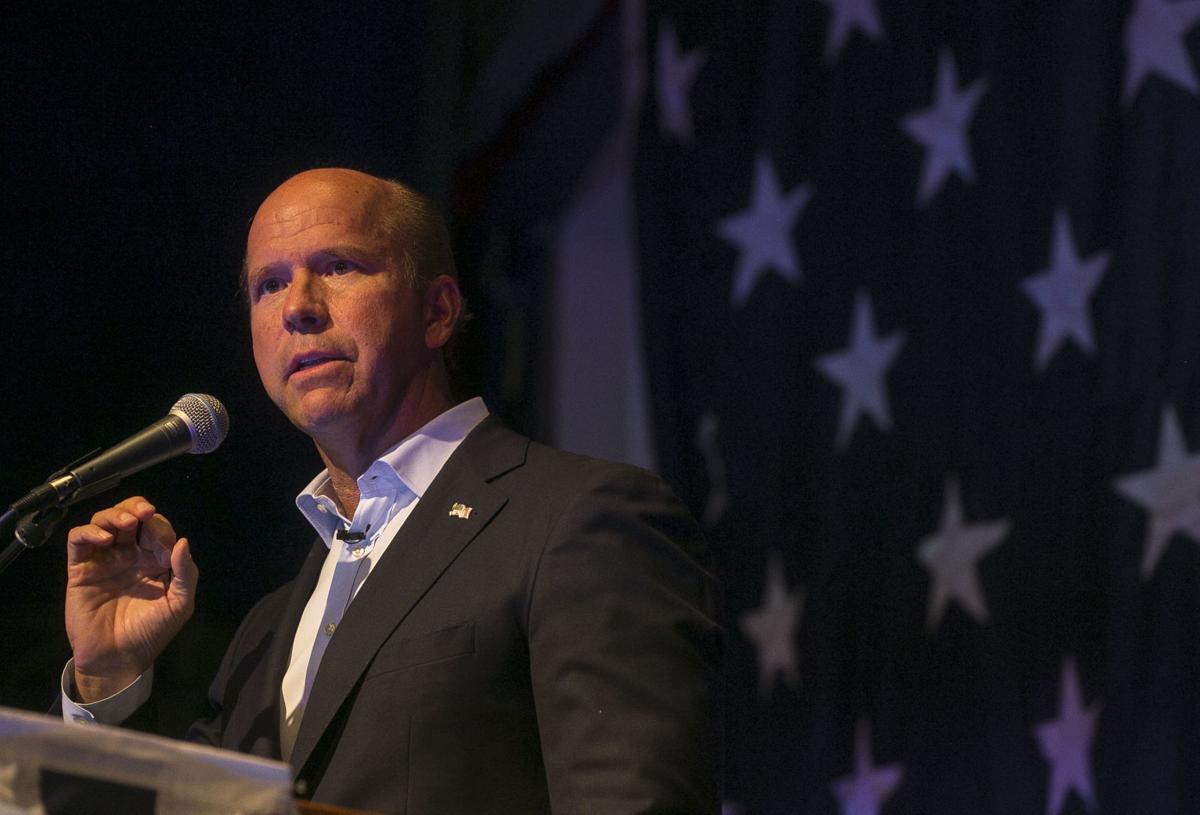
Congressman John K. Delaney’s (MD-6) background, unifying message and early state strategy in Iowa is getting attention by national outlets, including the Washington Post and New York Times.
Yesterday, Congressman John K. Delaney (MD-6), the first announced Democratic presidential candidate was the focus of an opinion article in The Washington Post by columnist George F. Will. In his piece titled “Want to topple Trump? Take John Delaney seriously”, Will highlights Delaney’s unique background – a successful entrepreneur and business leader who comes from a blue-collar family – and serious approach as someone who can reach out to voters in the middle.
Today, The Washington Post ran a story highlighting the financial hardships many veterans are facing because the Department of Veterans Affairs (VA) is missing GI Bill payments due to antiquated computer systems and poor management.
Presidential candidate Congressman John K Delaney has hired Michael Starr Hopkins as his National Press Secretary. Hopkins most recently was a senior communication strategist for CateComm, where he consulted on Andrew Gillum’s campaign for governor – one of the most competitive races this year – and as Communications Director for Florida Attorney General candidate, Sean Shaw.
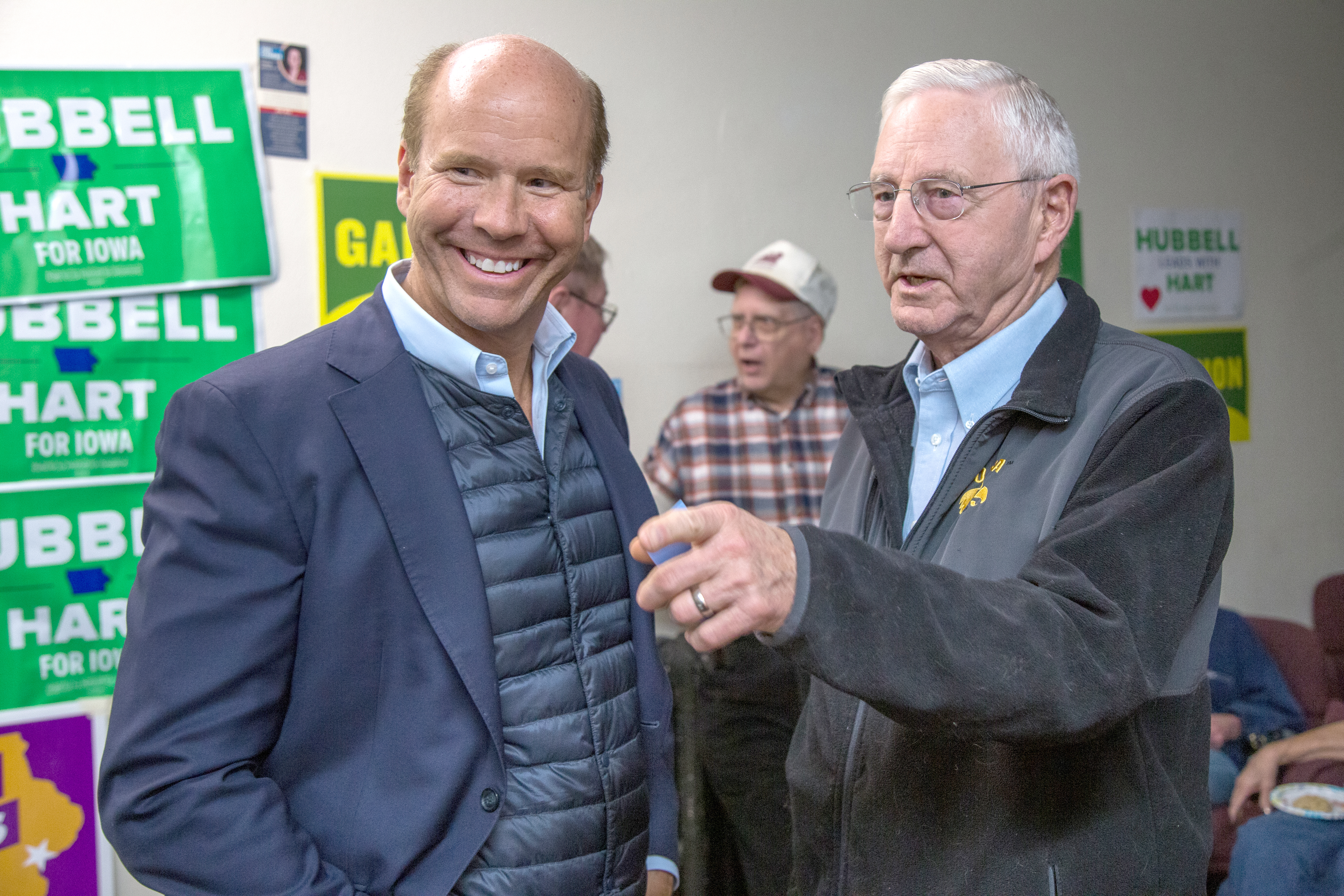
Delaney’s early state strategy and extensive early campaigning were featured in the New York Times this weekend. Since launching his campaign, Delaney has been to Iowa 19 times and made 12 trips to New Hampshire.
In Mr. Delaney’s view, America’s trouble isn’t capitalism but a dysfunctional federal government that has “stopped updating that basic social compact.”
Delaney… believes in returning to the assertive, values-promoting, alliance-building foreign policy approach that majorities in both parties once traditionally supported.